


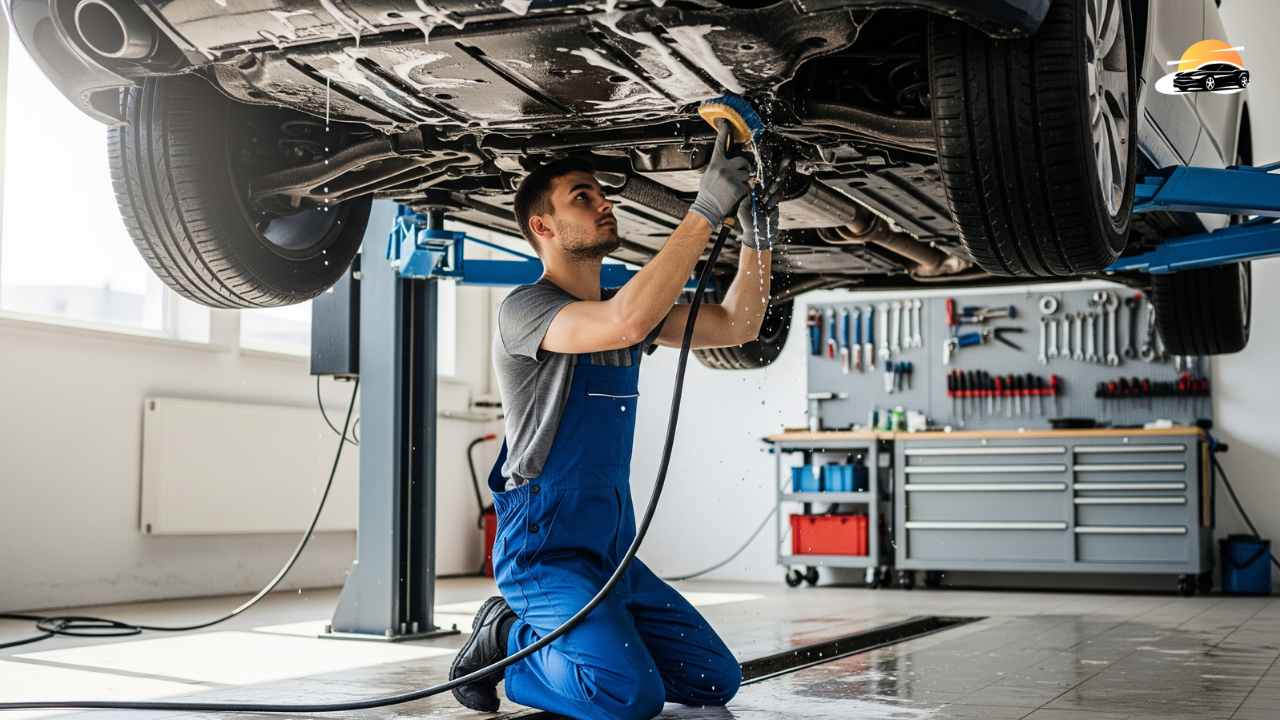

How to Clean Under Your Car: Turtle Wax Expands as DIY Detailing Redefines Auto Care
It sounds like a small detail, but undercar cleaning has become big business. According to Grand View Research, the global car care products market reached $12.1 billion in 2023 and is projected to grow at a 4.5% compound annual rate. What might seem like the most boring corner of consumer goods—cleaning chemicals and brushes designed for chassis, underbodies, and wheels—is quietly turning into a battlefield.
The controversy? Major detailing brands such as Turtle Wax and Meguiar’s are doubling down on “do-it-yourself” detailing kits at the same time that professional car washes and franchise operators claim they can handle the job more thoroughly. Consumers are caught in the middle. On one side, they hear that professional cleaning prevents long-term corrosion. On the other hand, brands assure them that with the right bottle and sprayer, they can do it just as well at home, saving hundreds of dollars a year. Investors are watching too: whichever side wins determines who takes the next slice of an industry that, despite looking unglamorous, puts billions at stake.
The Data
The car wash and detailing market has always been about appearances, but today the numbers are undeniable. According to the International Carwash Association, U.S. consumers spent nearly $14.7 billion in 2022 on commercial washes alone. That figure excludes retail purchases of car-care products, which analysts at Statista peg at $1.7 billion last year in the U.S. market. Combine both, and you’ve got a slice of the economy bigger than many specialty food categories.
Here’s the thing: corrosion remains the silent cost driver. AAA reports that rust-related vehicle repairs cost American drivers about $3 billion annually, and much of that damage starts underneath the car. Salt, humidity, and road grime accumulate there where drivers rarely look. The notion of sliding under a car to rinse is hardly glamorous. Yet Turtle Wax estimates that consumer search queries like “how to clean under my car at home” have doubled since 2020. That’s the demand signal they’re chasing.
Step-by-Step: How to Clean Under Your Car

Let’s be honest, scrubbing the underside of your car isn’t glamorous. But it pays off—rust, corrosion, and lingering grime can cut into your car’s lifespan by years. Here’s a step-by-step that trims the fluff and actually works.
Step 1: Start with a Rinse
Here’s the thing—you’re not blasting away every speck of dirt in round one. The first wash is about knocking off the easy stuff.
-
If you’ve got a power sprayer: Use a wide spray pattern at first. Don’t go too close to visible wires or plugs—no need to fry something while cleaning.
-
If you’re stuck with a garden hose: Snap on a high-pressure nozzle and work methodically. Mud and salt love to stick in wheel wells and seams, so give those zones extra passes.
This initial rinse is your foundation. Skip it, and the next steps don’t work half as well.
Step 2: Soap It Up
Now that the loose debris is out of the way, it’s time to break down the clingy grime.
-
Choose wisely: There are “specialized” undercarriage cleaners marketed at car owners. Some do what they promise; some are just rebranded soap with fancier labels (and prices). A solid car-safe degreaser usually does the job.
-
Application: Spray it evenly across the underbody. Hit greasy zones harder—near the engine area, suspension points, and wheel arches.
-
Dwell time: Let the product sit for a few minutes. Most instructions say 3–5 minutes. Don’t let it dry out completely, though. That’s when streaks start forming.
This step softens the gunk so you don’t have to scrub like you’re sanding a ship hull.
Step 3: Scrub Smart
This is where you actually get your hands dirty.
-
Brush work: Use a long-handled brush and attack one section at a time. Dip in soapy water if coverage fades. (Pro tip: circular scrubbing motions give better lift than straight-line strokes.)
-
For stubborn crud: Some buildup resists the brush—old mud, tar, or oily clumps. For that, a plastic scraper or even a retired credit card can work. Just don’t hack at sensitive parts; you’re loosening grime, not chiseling stone.
If this part feels tedious, well, that’s because it is. But it’s where the payoff happens.
Step 4: Rinse—Again
You’ve stirred up the mess, now flush it out.
-
Run the sprayer or hose over every section you scrubbed.
-
Spray from multiple angles to reach awkward crevices.
-
Make sure there’s no soap left—leftovers not only spot but actually attract dirt faster.
Think of it like rinsing shampoo out of your hair—you’re not done until the water runs clean.
Step 5: Dry It Out
This is the finale most people skip, but drying reduces streaking and slows down rust.
-
Air-dry method: If the weather’s warm and sunny, let nature handle it.
-
Manual method: Use a few old towels or microfiber cloths on areas you can reach safely. Quick wipe-downs prevent water spots, which always seem to reappear at the worst angles.
Sure, it takes a bit more effort, but leaving trapped water under your car? That’s practically begging for corrosion.
After the Clean: Look and Protect

So, the underside of your car is finally clean and dry. Good start. This is the perfect moment to actually look at what’s going on under there. Most people skip this step—and that’s often where small problems quietly grow into expensive ones.
What to Look For
-
Rust check: Scan for brown patches. Rust rarely shows up overnight, but even tiny spots can spread if ignored.
-
Leaks: Oil, coolant, transmission fluid—if you see drips, don’t shrug it off. That “slow leak” is just a problem in disguise.
-
Loose or aging parts: If something looks crooked, broken, or downright flimsy, odds are it won’t fix itself. At that point, a mechanic should take a closer look.
Here’s the thing: a lot of guides make this sound optional. It’s not. If anything looks off, better to deal with it now than act shocked at the repair bill later.
Adding a Layer of Protection
Once inspections are done, consider a protective spray coating (sometimes marketed as “underbody shield” sprays). These sprays aren’t magic, but they do create a barrier against water, road salt, and grime—all the stuff that quietly eats away at metal. You’ll find them in most auto shops. Just follow the can’s directions and apply to clean, dry metal surfaces.
Does every car need this? Not necessarily. But if you live where winters are salty or your drive takes you through mud and gravel, it’s worth the extra step. Otherwise, you’re giving rust a head start.
Why Rust Deserves Your Attention
Rust is essentially corrosion chewing away at the car’s structural “bones.” Ignore it long enough, and you’re not just talking cosmetic damage, you’re looking at weakened frames, compromised safety, and repairs that can cost more than the car itself. Frankly, this smells like one of those “silent killers” automakers would rather you forget about until you’re trading in for a newer model.
Keeping It in Check: A Maintenance Rhythm
There’s no one-size-fits-all schedule, but here’s a data-backed baseline (sources say industry surveys align on this):
-
2–4 cleanings per year works for most drivers.
-
After winter is non-negotiable if you live in a region that salts roads. Salt is public enemy #1 for car bottoms.
-
After off-road or muddy trips, wash it sooner rather than later. Mud holds moisture—rust’s best friend.
Bottom line: the underside of your car is out of sight, but it shouldn’t be out of mind. Clean it, inspect it, add protection if it makes sense, and repeat as needed. That’s how you keep those hidden parts strong and your wallet intact.
The People
A mid-level Turtle Wax marketing manager, who asked not to be named, told Forbes: “We were shocked by how much attention undercar cleaning started to get during the pandemic. People had spare time, they weren’t paying for professional washes, and suddenly DIY rust prevention became a trending YouTube topic.”
Industry veterans weren’t surprised. Mike Phillips, a detailing instructor at Autogeek, explained: “People underestimate the damage that happens where the eye doesn’t see. Underbody washing is the insurance policy nobody thinks they need until the fender starts bubbling with rust.”
But insiders also admit this surge has strings attached. A former Meguiar’s sales executive commented, “The truth is, not every consumer will crawl on the driveway with a garden hose. A lot of product gets bought, then sit on a shelf. But the marketing pitch—that you can prevent $2,000 repair bills with $15 worth of product is what moves volume.”
This smells like a win-win for product makers, if not necessarily for every consumer.
The Fallout
The battle lines are already impacting adjacent industries. Professional detailing shops argue they offer superior service. A Chicago-based car wash chain owner noted, “The consumer thinks they’re saving money, but driveway cleaning often misses half the grit. We’ve invested over $300,000 in underbody spray units. If people settle for drugstore products, cars age faster, resale values drop, and the industry as a whole takes reputational damage.”
Investors are starting to read between the lines. Analysts at Morningstar point out that Turtle Wax’s parent company has seen steady category growth—up about 12% in 2023—at a time when broader consumer discretionary spending has softened. The implication is that cleaning products, especially those tied to preventive maintenance, might be “recession resilient.” That claim, though, is not without skeptics. After all, if economic conditions tighten, consumers tend to stretch out car washes and opt for cheaper basic formulas instead of boutique products.
Beyond the balance sheet, the social fallout is subtler. A generation of car owners raised on ridesharing and vehicle subscriptions isn’t as inclined to crawl under a car with soap and a nozzle. The enthusiasm for DIY could be overstated, raising questions about whether the undercar cleaning surge is a niche fad or a lasting consumer pivot.
Closing Thought
Undercar cleaning has drifted from a back-of-the-owner manual footnote to a potential billion-dollar profit wedge. Turtle Wax and its competitors are racing to capture that tiny square of consumer attention with sprays, foams, and kits promising an end to rust. But here’s the kicker: in chasing the margins of car care, they’re also reinventing how drivers think about maintenance.
Will this momentum hold, or will consumers return to professional washes once life feels busier and budgets tighten again? If underbody detail becomes mainstream, we could be watching the birth of one of the unlikeliest billion-dollar trends in the auto industry.


