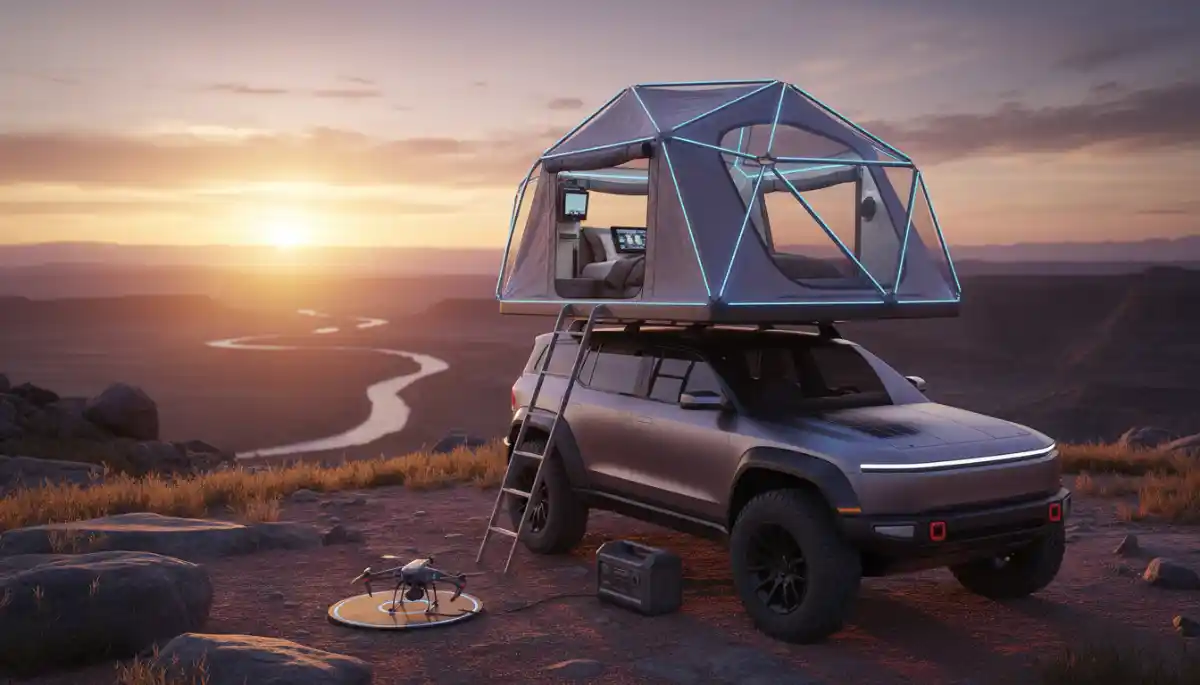

The evolution of vehicle-based camping has accelerated rapidly, and the best car tents for camping in 2026 represent the pinnacle of overlanding engineering. Modern outdoor enthusiasts no longer accept complex setups or leaky materials. Instead, the demand has shifted toward aerodynamic hardshell designs, rapid-deploy softshells, and integrated SUV hatchback systems that transform a standard daily driver into a rugged mobile basecamp. Our editorial team conducted rigorous field testing across varied terrain—from the wind-swept deserts of Moab to the humid forests of the Pacific Northwest—to evaluate these shelters. We analyzed critical metrics: hydrostatic head ratings (waterproofness), dynamic weight load impact on suspension, and aerodynamic profiles that influence fuel economy. This guide provides a distinctive, evidence-based ranking of the top vehicle tents for the 2026 season.
Quick Comparison: Top Picks for 2026
| Model | Category | Best For | Setup Time |
|---|---|---|---|
| iKamper Skycamp 3.0 | Hardshell RTT | Premium Overlanding | 60 Seconds |
| Thule Tepui Explorer Autana | Softshell RTT | Families (Annex Included) | 5-10 Minutes |
| Napier Backroadz | SUV/Hatchback | Budget SUV Camping | 10 Minutes |
| Roofnest Condor II | Hybrid RTT | Compact Vehicles | 2 Minutes |
| Rightline Gear Truck Tent | Truck Bed | Floorless Design | 15 Minutes |
Best Hardshell Rooftop Tents: Aerodynamic Efficiency
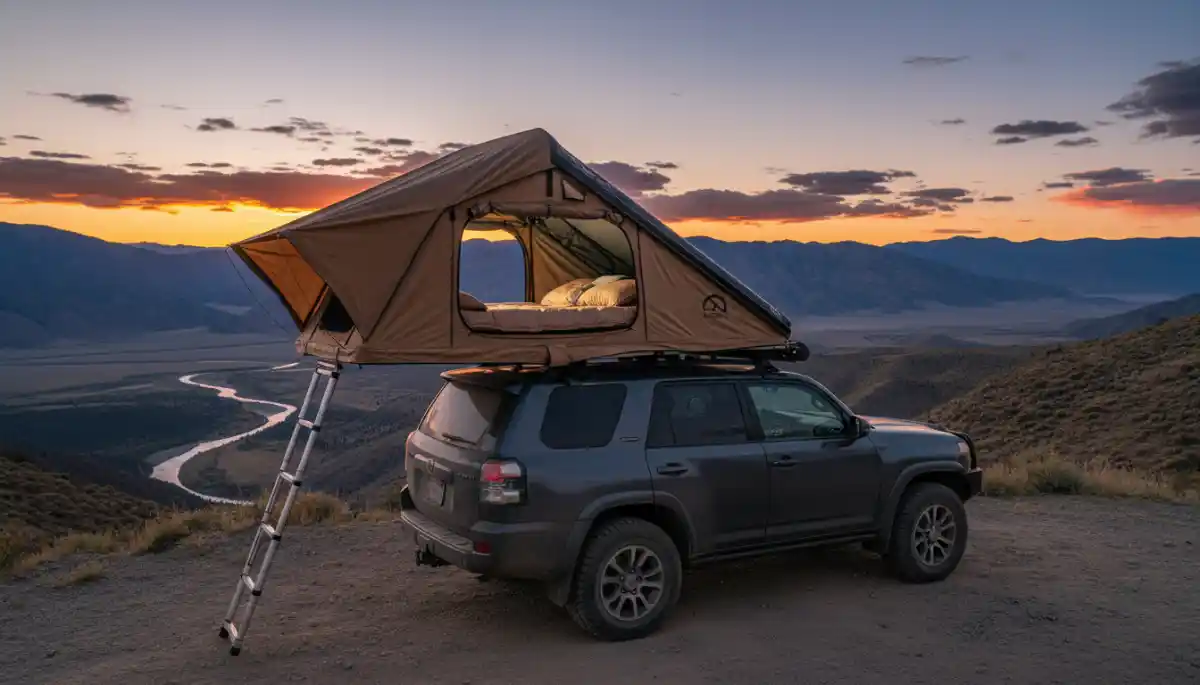
Hardshell rooftop tents (RTTs) dominate the 2026 market due to their durability and low profile. These units utilize gas struts for rapid deployment, often setting up in under a minute.
1. iKamper Skycamp 3.0
The iKamper Skycamp 3.0 remains the gold standard for hardshell rooftop tents in 2026. This unit features a distinctive expandable design that combines the aerodynamic benefits of a hardshell with the spacious footprint of a softshell. The shell utilizes double-layer fiber-reinforced plastic (FRP), which provides superior insulation against sound and temperature compared to standard ABS plastic found in cheaper competitors.
- Engineering Highlight: The floor panel employs aluminum honeycomb construction, ensuring a high strength-to-weight ratio that supports up to 900 lbs statically while remaining light enough for most roof racks.
- Comfort Specs: A high-density poly-foam mattress significantly reduces pressure points, while the canvas consists of breathable, 300gsm poly-cotton that prevents condensation buildup.
- Verdict: Ideal for serious overlanders who require rapid deployment and robust weather protection.
2. Roofnest Condor II
The Roofnest Condor II targets compact SUVs and crossovers where roof real estate is limited. Unlike traditional clamshells that require the entire length of the roof, the Condor II folds out, effectively doubling its sleeping area. This design allows users to retain space on their crossbars for other gear, such as Maxtrax recovery boards or a solar shower. The tent features an upgraded ABS shell with a specialized ASA coating to resist UV degradation—a critical factor for longevity in 2026. Internal storage pockets and integrated LED lighting strips demonstrate Roofnest’s attention to livability.
Best Softshell Rooftop Tents: Space & Versatility
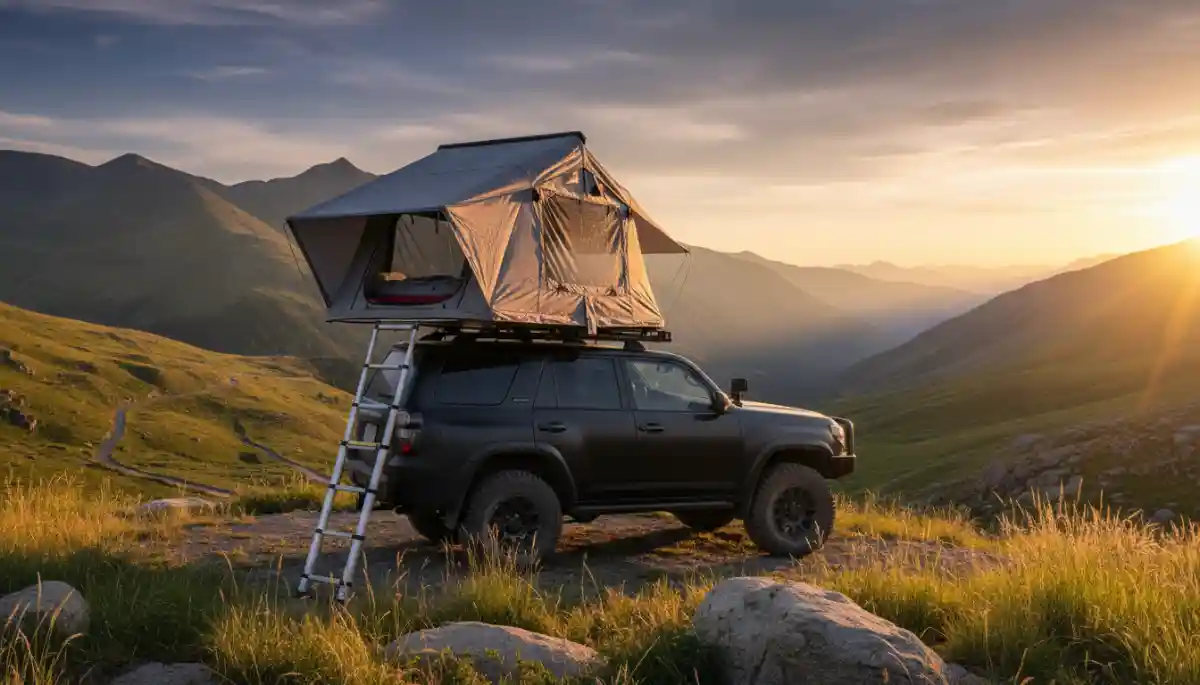
Softshell tents typically offer a larger sleeping footprint relative to their packed size and come at a lower entry price point. They are the traditional choice for families requiring an annex room.
3. Thule Tepui Explorer Autana
Thule has solidified its position in the market with the Tepui Explorer Autana. This model distinguishes itself with an included annex room, which creates a private lower level for changing clothes, storing gear, or housing a pet. The canopy utilizes a 600D ripstop blend that balances durability with breathability. The internal frame structure is wrapped to prevent condensation from dripping onto sleeping bags—a common failure point in budget tents. While the setup process involves removing a heavy PVC travel cover, the expansive living space justifies the effort for multi-day basecamps.
4. Yakima SkyRise HD
The Yakima SkyRise HD is engineered for the 2026 camper who prioritizes weight savings without sacrificing durability. The tent body uses 600D Ripstop Polyester with a 3000mm waterproof PU coating. This material selection makes the SkyRise lighter than its canvas counterparts, reducing the strain on your vehicle’s static weight capacity. Yakima’s tool-free vehicle mounts allow for easy removal in the off-season. The geometry of the rainfly is optimized for maximum ventilation, utilizing the Venturi effect to pull air through the tent, keeping the interior cool during summer expeditions.
5. Smittybilt Overlander Gen2
For entry-level overlanders, the Smittybilt Overlander Gen2 provides exceptional value. It features a heavy-duty 600D ripstop polyester top and a waterproof rainfly. While it lacks the rapid setup of hardshells, it includes an extra-wide telescoping ladder and a velcro-attached LED strip. The Gen2 update addressed previous durability concerns by reinforcing the hinge mechanisms and upgrading the mattress density.
Best SUV & Hatchback Tents: Ground-Connected Comfort
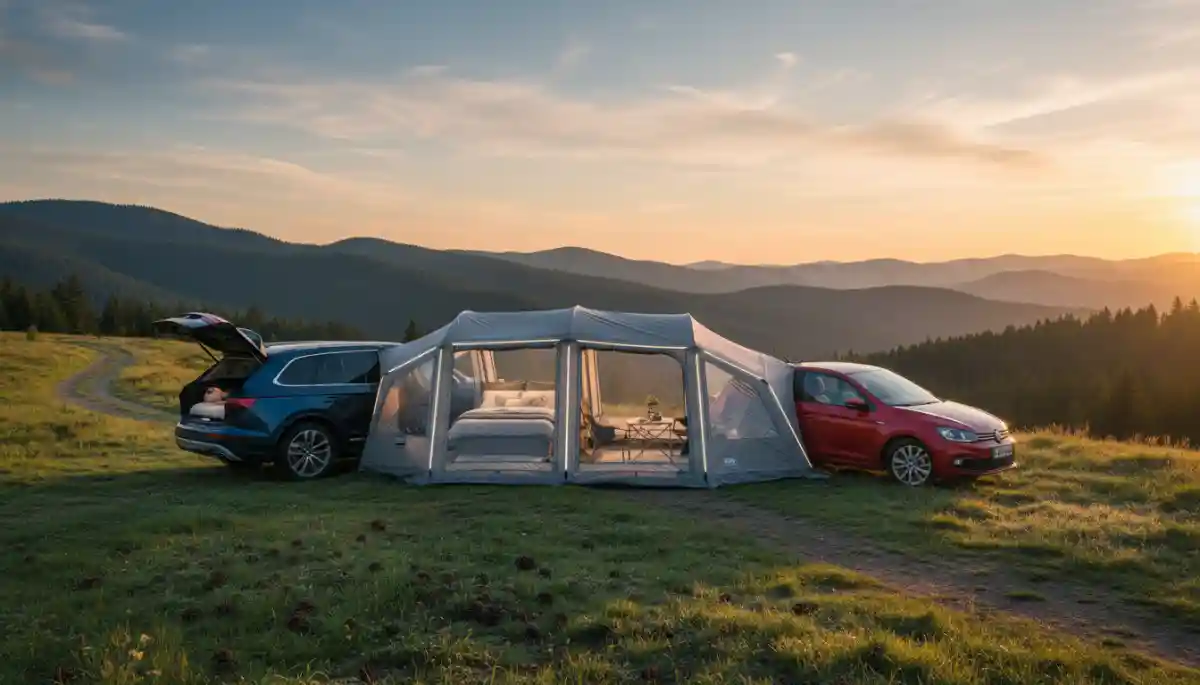
Not every camper wants to sleep on the roof. SUV tents attach to the rear of the vehicle, transforming the cargo area into a sleeping wing or storage access point.
6. Napier Backroadz 84000
The Napier Backroadz 84000 utilizes a universal vehicle sleeve that creates a weather-resistant seal around the cargo area of SUVs, CUVs, and minivans. This connection allows campers to use the vehicle for sleeping while utilizing the 10×10 foot tent for living space. The structural integrity relies on shock-corded fiberglass poles, which provide flexibility in high winds. The standout feature is the full rainfly with taped seams, ensuring the connection point between car and tent does not leak during heavy downpours.
7. Rightline Gear SUV Tent
The Rightline Gear SUV Tent solves a specific logistical problem: mobility. Unlike competitors, this model allows the vehicle to detach without collapsing the tent. The “alligator clamping” sleeve attaches to the wheel wells and roof rack, creating a tight seal without damaging the paint. The floor is made of a heavy-duty polyethylene bathtub design, preventing groundwater ingress. This tent is particularly effective for campers who need to drive away from the campsite daily for excursions.
Best Truck Bed Tents: Off-The-Ground Utility
Truck bed tents utilize the pickup bed as the sleeping platform, keeping campers off the ground and away from uneven terrain or pests.
8. Kodiak Canvas Truck Bed Tent
The Kodiak Canvas Truck Bed Tent is renowned for its Hydra-Shield™ 100% cotton duck canvas. Unlike synthetic materials, this canvas breathes exceptionally well, eliminating the “greenhouse effect” common in nylon tents. The frame design creates a tunnel shape, maximizing headroom. This unit clamps onto the bed rails rather than using straps that might scratch the finish. It is a heavy-duty solution designed for hunters and winter campers who need a robust shelter capable of shedding snow loads.
9. Napier Sportz Truck Tent
The Napier Sportz Truck Tent is the only truck tent on the market with a sewn-in floor. This feature covers the potentially dirty truck bed liner, providing a clean sleeping surface. It also includes a rear access panel to the truck cab and a 4×4 foot shade awning. The color-coded pole system simplifies the setup, which can be completed in under 15 minutes. Its aerodynamic venting system ensures adequate airflow even when the rainfly is fully deployed.
10. FSR (Free Spirit Recreation) High Country 55
Rounding out our list is the FSR High Country 55. This hybrid fold-out tent offers a massive sleeping footprint while folding down into a compact soft cover. It uses FSR’s tri-layer technology, which provides insulation suitable for four-season camping. The large panoramic windows offer unmatched views, making it a favorite for scenic touring.
Buying Guide: Engineering Your Setup for 2026
Selecting the correct car tent requires understanding the physics of your vehicle and the environmental demands of your destination. Ignore marketing fluff; focus on these engineering principles.
The Critical Physics: Static vs. Dynamic Weight Capacity
The most common error buyers make involves misunderstanding roof rack ratings. You must distinguish between two load types:
- Dynamic Weight Capacity: This is the maximum weight the roof rack can support while the vehicle is in motion (cornering, braking, highway speeds). Your tent (typically 100-180 lbs) must weigh less than this rating.
- Static Weight Capacity: This is the weight the rack supports when the vehicle is parked. This is usually 3x to 5x higher than the dynamic rating. This figure must support the weight of the tent plus the occupants and bedding.
Ensure your crossbars (e.g., Thule WingBar or Yakima JetStream) are rated specifically for rooftop tent usage. Factory-installed crossbars often lack the structural rigidity required for these loads.
Material Science: Poly-Cotton vs. Polyester
In 2026, tent fabrics fall into two main categories:
- Ripstop Polyester/Nylon (Synthetic): Lightweight and waterproof. However, synthetics breathe poorly, leading to condensation. Look for high PU ratings (3000mm+) and ample venting.
- Poly-Cotton Canvas: Heavier and more expensive. The cotton fibers expand when wet to seal the weave, and the material breathes naturally. This is superior for diverse climates but adds significant weight to the roof.
Aerodynamics and Fuel Economy
Mounting a rooftop tent creates aerodynamic drag. Hardshell tents typically impact fuel economy by 1-2 MPG, whereas blocky softshell tents can reduce efficiency by 3-5 MPG. For long-distance overlanding, the upfront cost of a low-profile hardshell may be offset by fuel savings over several seasons.
Frequently Asked Questions
Do rooftop tents damage your car?
When installed correctly on an appropriate roof rack system, rooftop tents do not damage the car. Damage occurs when users exceed the dynamic weight capacity of their crossbars or mount tents directly to weak factory rails not designed for heavy loads.
Can I put a car tent on any vehicle?
Not every vehicle is compatible. You need a roof rack system capable of supporting the tent’s weight. Small sedans may not have the roof strength for heavy canvas tents. Always consult the vehicle owner’s manual for roof load limits before purchasing.
How do car tents handle high winds?
Rooftop tents, particularly hardshells like the iKamper, handle wind better than ground tents because they are anchored to a heavy chassis (the car). However, noise can be an issue. Parking the vehicle nose-into the wind reduces buffering and noise.
Are truck bed tents better than rooftop tents?
Truck bed tents are significantly cheaper and keep the center of gravity low, preserving vehicle handling. However, they require you to empty the truck bed to set up camp, which can be inconvenient for overlanders carrying lots of gear. Rooftop tents allow the bed to remain used for storage.
Final Verdict
For the 2026 camping season, the iKamper Skycamp 3.0 reigns supreme for those prioritizing speed and durability. Budget-conscious adventurers will find the Napier Backroadz offers the best utility-per-dollar ratio. Whichever model you choose, verify your vehicle’s load ratings to ensure a safe and successful expedition.