
How to Clean Leather Seats in Your Car Becomes a $4.2B Market Driver: 3M’s Bet on Auto Care Growth
In 2024, sales in the global automotive interior care products market hit $4.2 billion, according to research from Grand View Insights. A surprising portion of that growth came not from flashy tech, but from something far more tactile: leather seat cleaners.
Here’s the kicker: 3M, best known for industrial adhesives and Post-it notes, has doubled down on this sector. The bet is simple: consumers are keeping cars longer, resale values hinge on immaculate interiors, and leather care is no longer an afterthought but a marker of luxury maintenance. The trend is forcing automakers, chemical giants, and detailers alike to rethink priorities.
For drivers, it’s both a wallet saver and a status symbol. For companies, it’s a battleground over loyalty in an interior care category that used to be overlooked.
The Data
Car decor often feels cosmetic, but the numbers suggest otherwise. Interior detailing, particularly leather seat care, now drives margins in the broader auto aftermarket.
-
According to Statista (2023), the average American keeps a new car for 8.4 years, up from 6.5 years a decade ago. Longer ownership means leather interiors face more wear—and demand more upkeep.
-
IBISWorld data shows that U.S. car wash and detailing revenues surpassed $14 billion in 2023, with interior care products accounting for more than 20% of upsell opportunities. That’s not pocket change.
-
A Grand View Research report predicts the leather cleaner and conditioner niche alone could expand at a 5.6% CAGR through 2030, fueled by a rise in used car resales and luxury SUV adoption.
That growth trajectory explains why a corporate heavyweight like 3M decided to expand its Scotchgard Auto line. On the consumer side, it’s less about indulgence and more about asset preservation. As Kelley Blue Book repeatedly stresses, a well-maintained leather interior can add up to 10% retention value in private resale.
Still, the industry narrative isn’t flawless. While corporate press releases emphasize “sustainability” and “premium experience,” insiders say eco-friendly formulas barely move the needle with buyers. What matters most is ease of use and visible before-and-after differences. People want to see grime lift off, not just read claims of non-toxic chemistry.
Why Clean Your Car’s Leather Seats?

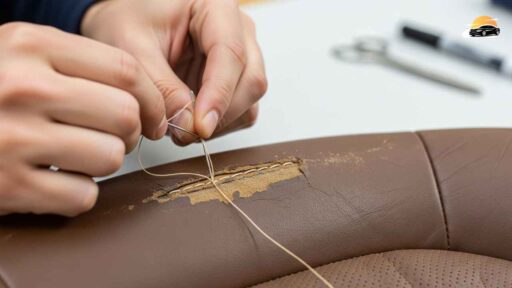
Let’s be honest: keeping your leather seats spotless isn’t just about showing off a nice interior. Sure, it looks sharp, but here’s the thing: dirt and oils aren’t just cosmetic. Left alone, they act like fine sandpaper, slowly grinding down the surface. Over time, that “luxury” can start to feel more like cracked vinyl.
Leather also dries out if you skip conditioning. Think of it like skin, ignore it, and sooner or later, you’ll see signs of aging you don’t want. Add sun exposure into the mix, and the color fades faster than most people realize. This smells like one of those “nice-to-have” chores that’s actually non-negotiable if you plan to keep your car looking (and feeling) worth what you paid.
What You’ll Need Before You Start
Now, before diving in, it helps to set up your tools. It’s a bit like cooking: you don’t want to realize halfway through that you’re missing the main ingredient. Most of this stuff is simple enough—sources say many drivers already have half the list lying around the garage.
Here’s the short checklist:
-
Vacuum with a soft brush head – gets rid of grit without scuffing the surface.
-
Soft cleaning brush – ideally one made for leather, but a gentle toothbrush works for tighter seams.
-
Leather cleaner – make sure it’s for automotive leather, not your living room couch.
-
Leather conditioner/cream – keeps the material supple, not stiff.
-
Microfiber cloths – skip old rags; they leave lint, and nobody wants that.
-
Two buckets of water – one for a mild soapy solution, one for rinsing (unless the cleaner says “no water needed”).
-
Spray bottle – just in case your cleaner is concentrated or you prefer finer control.
⚠️ One more thing: never ignore the label. Some products combine cleaner and conditioner into one. Sounds convenient, but not all “two-in-ones” are worth trusting. Always check if it’s safe for your specific upholstery before you dive in.
Step-by-Step Guide: How to Clean Leather Seats

Ready to make those seats look nearly new again? Let’s walk through it step by step. And yes, most guides make this sound easier than it is—but here’s the thing: doing it right will save you from cracked, faded leather months down the road.
1. Prep the Seats: The Boring but Crucial Step
Start with the obvious—clear out any clutter. Toys, water bottles, French fry fossils… get them out of the way.
Now, vacuum. And not just a quick once-over. Use the soft brush attachment so you don’t scratch the leather. Go along the seams, creases, and those irritating little gaps where crumbs camp out. Vacuuming takes time, but skipping it means you’ll grind grit right into the leather when you clean. That’s no good.
2. Clean the Leather: Don’t Drench It
Here’s where most people go wrong. Leather isn’t fabric—you can’t just splash soap and water on it.
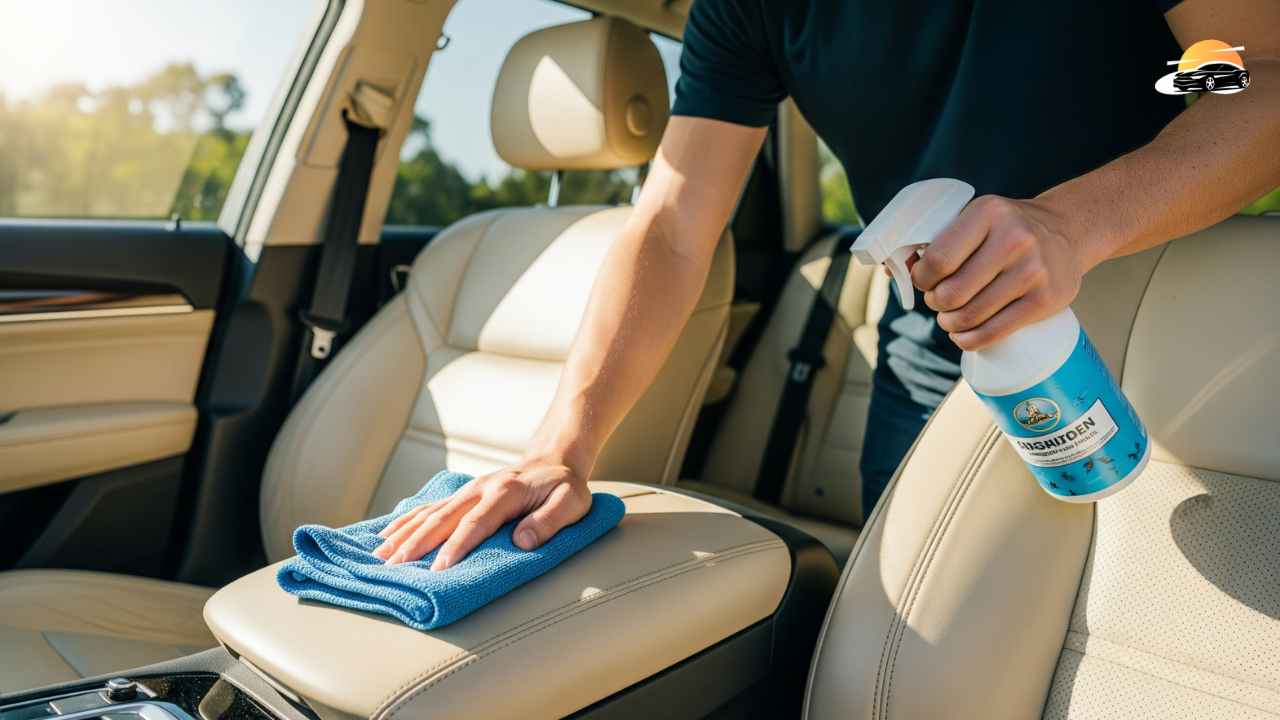
Grab a leather cleaner (the kind made for cars is best). Spray it on a microfiber cloth or, if the directions say so, lightly mist the seat. Work in small circles on just a section at a time. A little foam is fine—that’s the cleaner breaking up the grime.
Could you use dish soap and water? Technically, yes. But let’s be honest—that’s a shortcut. Too much soap and you strip oils out fast. If you go this route, dilute it heavily (we’re talking mostly water), and don’t let your cloth drip. Sources say this still works, but it’s risky if you overdo it.
Once you’ve scrubbed a spot, wipe it down with a separate, slightly damp microfiber cloth. Then, do it again with a freshly rinsed cloth. It takes two wipes to make sure no residue lingers—that leftover film you sometimes see? That’s what happens if you cut corners here.
3. Condition the Leather: Feed It, Don’t Smother It
Cleaning pulls dirt—and oils—out of leather. To keep it from drying and cracking, you need conditioner. Think of it as a moisturizer for your seats.
Take your leather cream (yes, the one the bottle insists is “premium”) and use a soft cloth to massage it into the leather in small, even patches. Light layers are better than globs. The conditioner soaks in, replenishing the oils the seats lost. Skip this step and, well… that’s when you start to see stiff, shiny, plastic-looking leather. This smells like expensive regret.
4. Air Dry: Patience Pays
After conditioning, your seats may feel a little slick. Don’t wipe it off, don’t sit down, don’t toss a jacket over them. Just let the conditioner settle and cure. Crack open your windows or leave the doors wide for airflow. They’ll dry on their own in an hour or so, depending on the product.
Cleaning leather seats isn’t rocket science, but it’s also not the “quick wipe” routine car ads would have you believe. Prep well, use the right cleaner, condition properly, and then let the leather breathe. Do it right every few months, and your seats actually will look (and feel) like the day you bought the car.
The People

When I spoke with James Carter, an automotive trends analyst at Vision Mobility, he didn’t mince words:
“This is not about luxury—it’s about psychology. People think if they maintain the inside of their car, they’re extending the life of the whole vehicle. Auto interiors are an emotional space. You spend hours there, and if it looks grimy, you feel grimy.”
A former 3M marketing manager added, under condition of anonymity:
“Honestly, the biggest competitor isn’t another brand, it’s procrastination. Most car owners know they should condition leather at least twice a year. Very few do it until cracks appear. So the advertising challenge is reminding people before it’s too late.”
Meanwhile, detailers have opinions of their own. Maria Lopez, who runs a specialty detailing shop in Dallas, put it bluntly:
“People walk in saying they want ‘just a wash,’ but as soon as they see what leather conditioner does, the upsell rate skyrockets. We make more margin on a $60 conditioner add-on than on a $200 wax.”
Her observation aligns with IBISWorld findings: interior detailing has grown faster than exterior-focused services in the past three years, partly because dealerships encourage trade-in-ready interiors.
This smells like a marketing battle where old-school chemicals meet lifestyle branding. And 3M isn’t the only name in the game. Meguiar’s (now owned by 3M itself), Turtle Wax, and boutique premium labels like Griot’s Garage are all jockeying for middle-class wallets under the guise of “luxury-level care.”
The Fallout
All of this has ripple effects. On Wall Street, analysts now see auto-detail product lines as a “quiet growth engine.” UBS recently flagged that “auto appearance chemicals” could offset part of 3M’s legal and restructuring headwinds as it streamlines operations in other divisions.
But the story isn’t risk-free. Consumers are increasingly skeptical of chemical-heavy cleaners. Environmental watchdogs have questioned VOC levels in some products, putting companies under regulatory pressure. Europe’s stricter chemical-labeling laws could force reformulations that raise costs.
For automakers, the trend is both a blessing and a burden. On one hand, certified pre-owned (CPO) sales are forecast to climb another 6% in 2025, and pristine interiors are a key selling point. On the other hand, if customers can maintain perfect interiors with store-bought products, dealerships lose leverage on upsell detailing packages.
At ground level, car owners feel the tug too. Take a Camry driver debating whether to spend $49 on a bottle of conditioner versus $300 for a dealer’s “interior protection package.” More consumers now choose the DIY route, aided by TikTok tutorials and influencer endorsements. The consequence? Cash-rich chemical companies like 3M win small victories, while dealerships quietly lose high-margin add-ons.
Here’s the thing—this isn’t just about shiny seats. It’s about shifting consumer behavior around maintenance culture. Much like the rise of home fitness equipment after COVID-19, people are banking on self-reliance, even in areas they previously outsourced.
Closing Thought
The leather seat cleaner boom might sound trivial compared to EVs or AI in cars, but markets are often moved by quiet habits, not splashy headlines. Interior care is one of those habits.
The big question is whether giants like 3M can stay ahead of smaller boutique brands that market “artisanal” or “organic” formulations to a TikTok-savvy buyer base. Will the battle for clean leather become the next frontier of brand loyalty in the auto aftermarket—or is this just another temporary fad propped up by resale paranoia?
If history is any guide, the answer could determine whether seat cleaners remain a background product or become a frontline profit driver.