

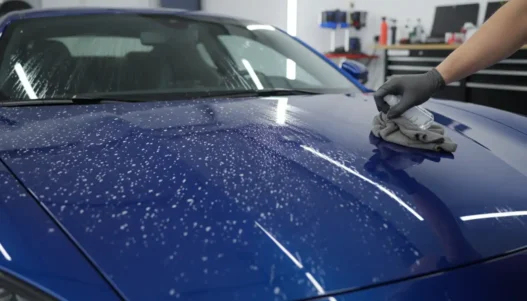


The pristine gleam of a freshly washed vehicle can vanish in moments, replaced by a dull, mottled finish courtesy of relentless water spots. These mineral deposits are more than just an aesthetic annoyance; they pose a tangible threat to your vehicle’s paintwork and glass, potentially causing permanent etching if neglected. Understanding the precise nature of these imperfections and employing the correct removal and prevention strategies is crucial for maintaining your car’s value and appearance well into 2025 and beyond.
The Persistent Problem of Hard Water Spots and Their Damage
Water, especially tap water or sprinkler runoff, is rarely pure. It contains dissolved minerals like calcium, magnesium, and bicarbonates. When water evaporates from your car’s surface, these minerals are left behind, forming circular deposits. Initially, these are superficial, but prolonged exposure, especially under sunlight, allows these minerals to chemically bond with the clear coat or glass, leading to etching.
Recent automotive detailing studies indicate that hard water spots can begin to compromise a vehicle’s clear coat within hours during peak summer temperatures. The damage progresses through several stages: from easily removable mineral residue to bonded mineral etching that requires more aggressive intervention, and finally, to sub-surface etching that demands professional paint correction. Ignoring these spots not only detracts from the car’s visual appeal but also significantly reduces the longevity of its protective layers, making it more susceptible to environmental contaminants and UV damage.
DIY Strategies for Mild Water Spot Removal
For newly formed or less severe water spots, a methodical do it yourself approach can yield excellent results. Always work on a cool surface, out of direct sunlight, and test any product or solution on an inconspicuous area first.
White Vinegar Solution
A simple dilute white vinegar solution stands as a highly effective and readily available acidic cleaner for mineral deposits. Mix equal parts distilled white vinegar and distilled water in a spray bottle. Generously spray the affected area, allowing the solution to dwell for 30 seconds to a minute. Do not let it dry on the surface. Gently agitate with a soft microfiber towel, then thoroughly rinse with clean water and dry immediately with another clean, dry microfiber towel. This method is generally safe for both paint and glass, but exercise caution on matte finishes or paint protection films without prior testing.
Specialized Water Spot Removers
Numerous dedicated water spot remover products are formulated with mild acids or chelating agents designed to dissolve mineral buildup without harming the clear coat. These are often pH balanced for automotive surfaces and can offer more convenience than a homemade solution.
Apply the product according to the manufacturer’s instructions, typically onto a cool, clean surface. Work in small sections, applying with an applicator pad, allowing a brief dwell time, then wiping away the residue with a clean microfiber cloth. Always rinse thoroughly after use, especially if the product has a strong chemical scent.
Clay Bar Treatment for Embedded Contaminants
While a clay bar primarily removes bonded surface contaminants like rail dust and industrial fallout, it can also be highly effective at lifting the mineral deposits associated with water spots that have not yet etched into the clear coat. After washing and drying your car, mist a section with a detailing spray or clay lubricant. Glide the clay bar across the lubricated surface using minimal pressure. The clay will pick up the surface minerals. Fold the clay to expose a clean surface as needed. This method is a crucial step before applying any protective waxes or sealants.
Advanced Techniques for Stubborn Water Spot Etching
When water spots have begun to etch into the clear coat, more aggressive but controlled methods are required. These techniques demand a higher degree of care and understanding to avoid further damage.
Chemical Etch Removers
For more deeply embedded mineral etching, some advanced chemical removers contain stronger acidic compounds or abrasive elements designed to microscopically level the clear coat. These products are often applied with an applicator and require careful buffing to remove the etched layer. Always follow the product directions precisely and wear appropriate personal protective equipment, such as gloves and eye protection.
Light Abrasive Polishing
If chemical methods prove insufficient, a light abrasive polish can gently remove the uppermost layer of the clear coat where the etching resides. This process involves using a fine-cut polish with either an orbital polisher or by hand with a foam applicator pad. The goal is to carefully abrade the surface just enough to level the affected area without over-thinning the clear coat. Start with the least aggressive polish and pad combination. After polishing, wipe away residue and inspect the results. This method is effective for Type II bonded mineral etching.
Professional Intervention for Severe Damage
In cases of extensive or deep sub-surface etching, often categorized as Type III, professional paint correction may be the only viable solution. This involves skilled technicians using specialized equipment and compounds to safely remove significant layers of the clear coat to restore a flawless finish.
Paint Correction and Machine Polishing
A professional detailer will assess the depth of the etching and perform multi-stage paint correction using various abrasive compounds and machine polishers. This process carefully removes microscopic layers of clear coat to eliminate imperfections. While effective, it’s an irreversible process that requires expertise to avoid burning through the clear coat.
Wet Sanding (Extreme Cases)
For the most severe, deeply etched water spots, wet sanding may be necessary. This involves using extremely fine-grit sandpaper to carefully level the paint surface, followed by compounding and polishing to restore gloss. Wet sanding is an advanced technique typically reserved for professionals due to the high risk of permanent damage if executed incorrectly.
Protecting Your Finish: Prevention is Key
Once water spots are removed, implementing preventative measures is paramount to avoid their recurrence.
Ceramic Coatings
Modern ceramic coatings offer a superior layer of protection against environmental contaminants, including mineral deposits. These durable, sacrificial layers create a hydrophobic surface that repels water, making it bead up and roll off, significantly reducing the chance of water spots forming. Ceramic coatings can last for years, offering robust protection and ease of cleaning.
Waxes and Sealants
Traditional car waxes and synthetic paint sealants provide a protective barrier over the clear coat. While not as durable or hydrophobic as ceramic coatings, they still offer excellent resistance to water spots and make future cleaning easier. Regular application, typically every few months, is necessary to maintain their effectiveness.
Proper Drying Techniques
The simplest and most immediate prevention method is thorough and immediate drying. After washing, use a high-quality, absorbent microfiber drying towel or a dedicated car blower to remove all water before it has a chance to evaporate. Always dry in the shade to prevent rapid evaporation.
Expert Strategy: Beyond the Basics
Mastering water spot removal and prevention involves a holistic approach, considering product synergy and environmental factors.
Always wash your vehicle with a pH-neutral car wash soap. Harsh detergents can strip existing protection and leave the clear coat more vulnerable. Following up with a quick detailer after drying can add an extra layer of slickness and hydrophobic properties, making it harder for minerals to bond.
When selecting a dedicated water spot remover, look for formulations that are safe for both paint and glass, especially if you have significant glass etching. The distinction between treating glass and paint often lies in the abrasiveness required. Glass is harder than clear coat, meaning it can sometimes withstand more aggressive cleaning agents or light polishing without damage, but caution is always advised.
What We Like
- Highly effective at dissolving mineral deposits.
- Safe for most automotive clear coats and glass when used correctly.
- Often includes mild polishing agents to address minor etching.
- Leaves a clean, residue-free surface ready for protection.
Flaws but not Dealbreakers
- Requires careful application and immediate rinsing to prevent streaking.
- May not be effective on deeply etched or long-standing water spots.
- Some formulations have strong chemical odors.
Is It Worth It?
For DIY enthusiasts facing moderate water spot issues, a quality, dedicated water spot remover is an indispensable tool. Its targeted formulation offers a more efficient and safer solution than household acids alone, making it a sound investment for maintaining your vehicle’s finish. Remember to always apply protective layers afterward.
Addressing Glass Water Spots
Glass can accumulate water spots just as easily as paint, often appearing more prominent on windshields and side windows. For glass, consider using a fine steel wool (0000 grade) with a glass cleaner for stubborn spots, as glass is harder than paint and less prone to scratching with this method. Follow up with a glass sealant to prevent future buildup and improve visibility.
FAQ: Common Questions on Water Spot Removal
Can baking soda remove water spots from car paint?
While baking soda is a mild abrasive and alkaline, it is generally not recommended as a primary solution for water spots on car paint. Its abrasive nature, when mixed into a paste, could potentially induce fine scratches on delicate clear coats. For superficial mineral deposits, a dilute acidic solution like white vinegar is a safer and more effective option without the scratching risk. Always prioritize products specifically designed for automotive finishes.
What is the best homemade water spot remover?
The most effective and safest homemade solution for mild water spots is a 1:1 mixture of distilled white vinegar and distilled water. The acetic acid in vinegar helps to dissolve the alkaline mineral deposits. Apply it to a cool surface, let it dwell briefly (30-60 seconds), gently wipe with a microfiber cloth, then rinse thoroughly and dry immediately. This combination is generally safe for clear coats and glass.
How do professionals remove hard water spots from cars?
Professionals employ a range of techniques based on the severity of the water spots. For light spots, they may use specialized chemical water spot removers designed for deep mineral dissolution. For etched spots, they typically use machine polishing with abrasive compounds to carefully level the clear coat, effectively removing the damaged layer. In extreme cases of deep etching, a professional might resort to controlled wet sanding followed by multi-stage polishing to restore the finish.
The Enduring Clarity: Invest in Your Vehicle’s Finish
The fight against water spots is an ongoing battle for any vehicle owner, but it is one that can be won with knowledge and the right approach. From immediate DIY remedies to advanced professional paint correction, a spectrum of solutions exists to restore and maintain your car’s flawless appearance. By understanding the causes, implementing preventative measures, and acting swiftly when spots appear, you ensure your vehicle retains its shine and its value. Prioritize thorough cleaning, consistent protection, and prompt drying to keep your automotive investment gleaming for years to come.


